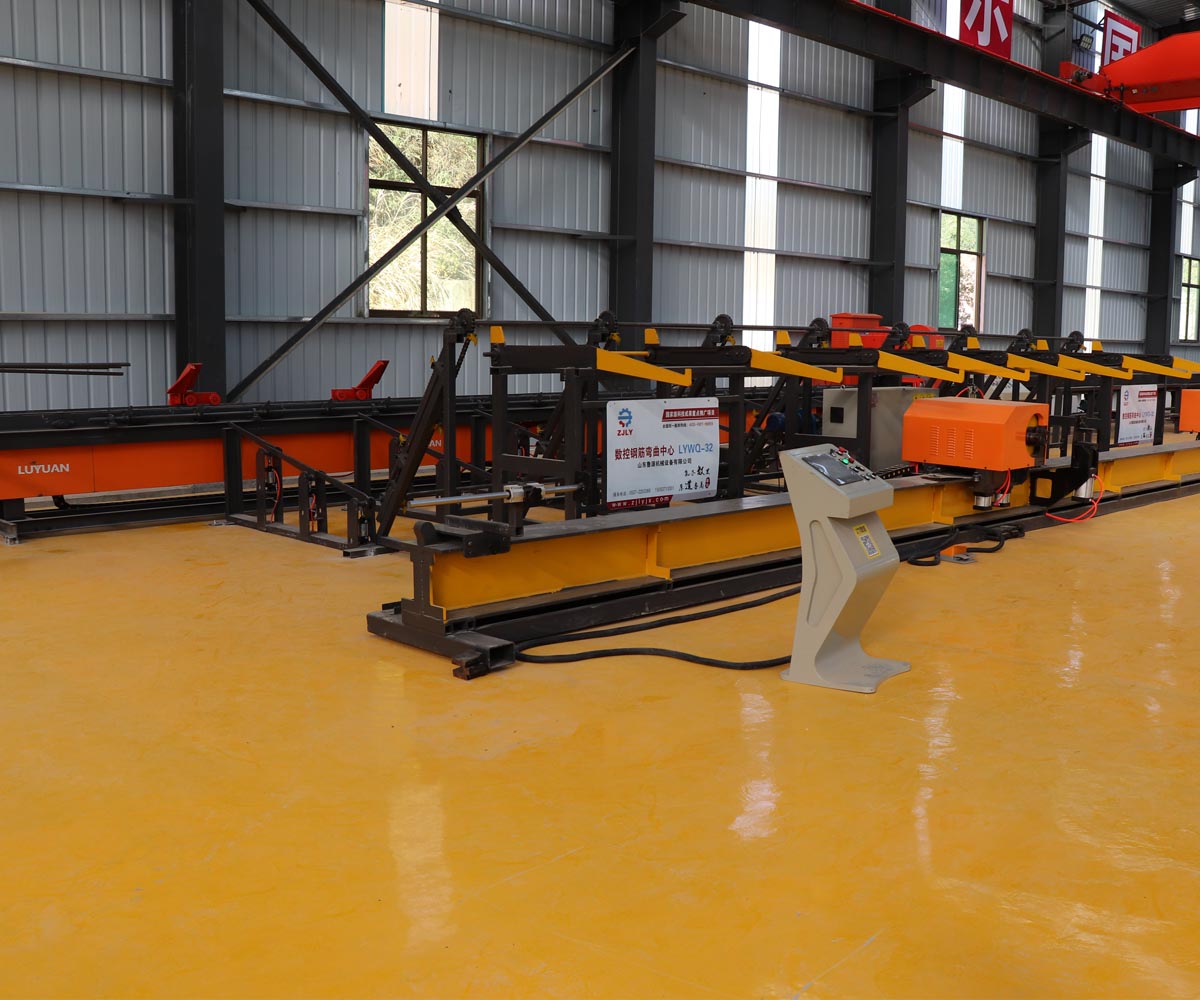
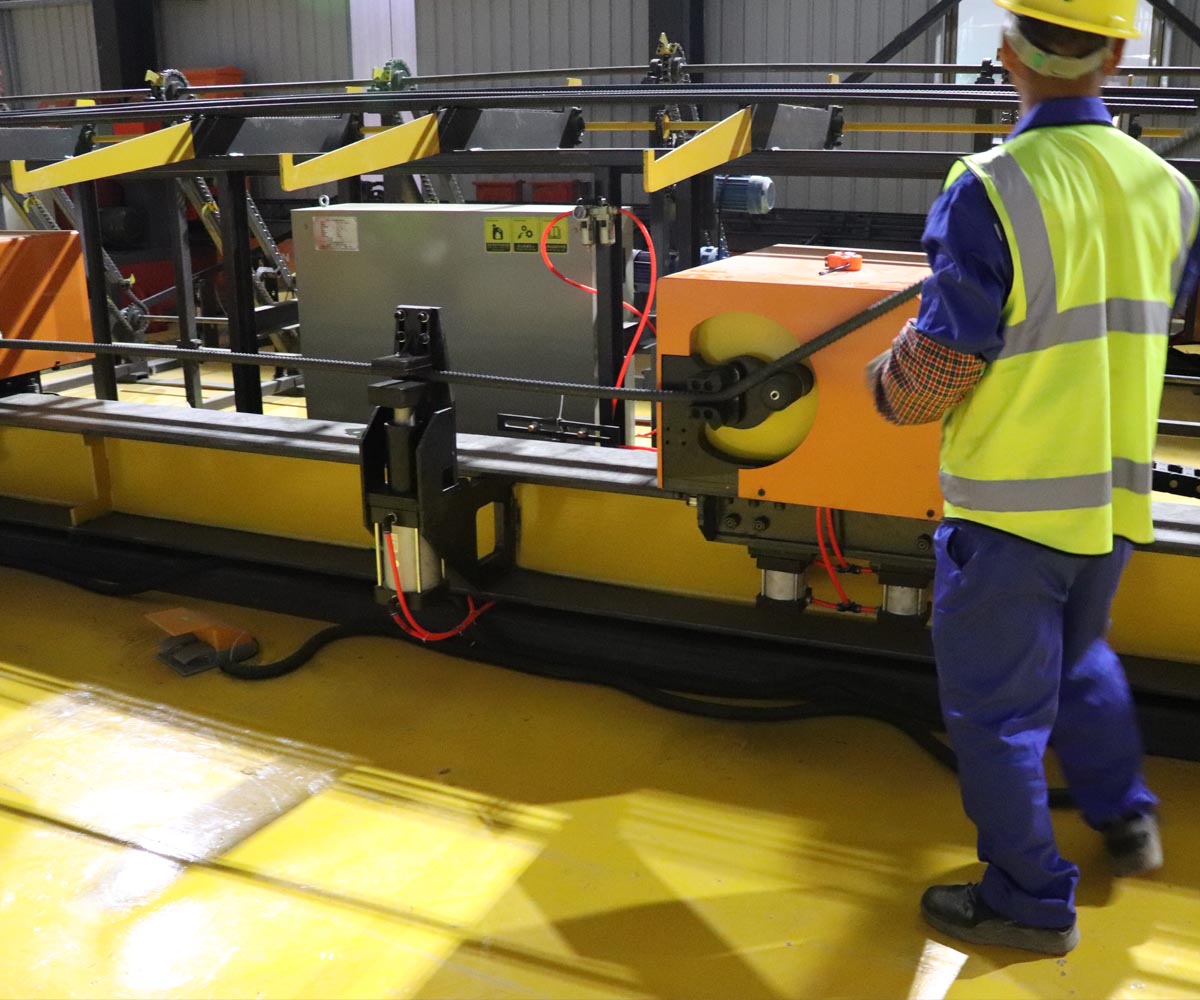
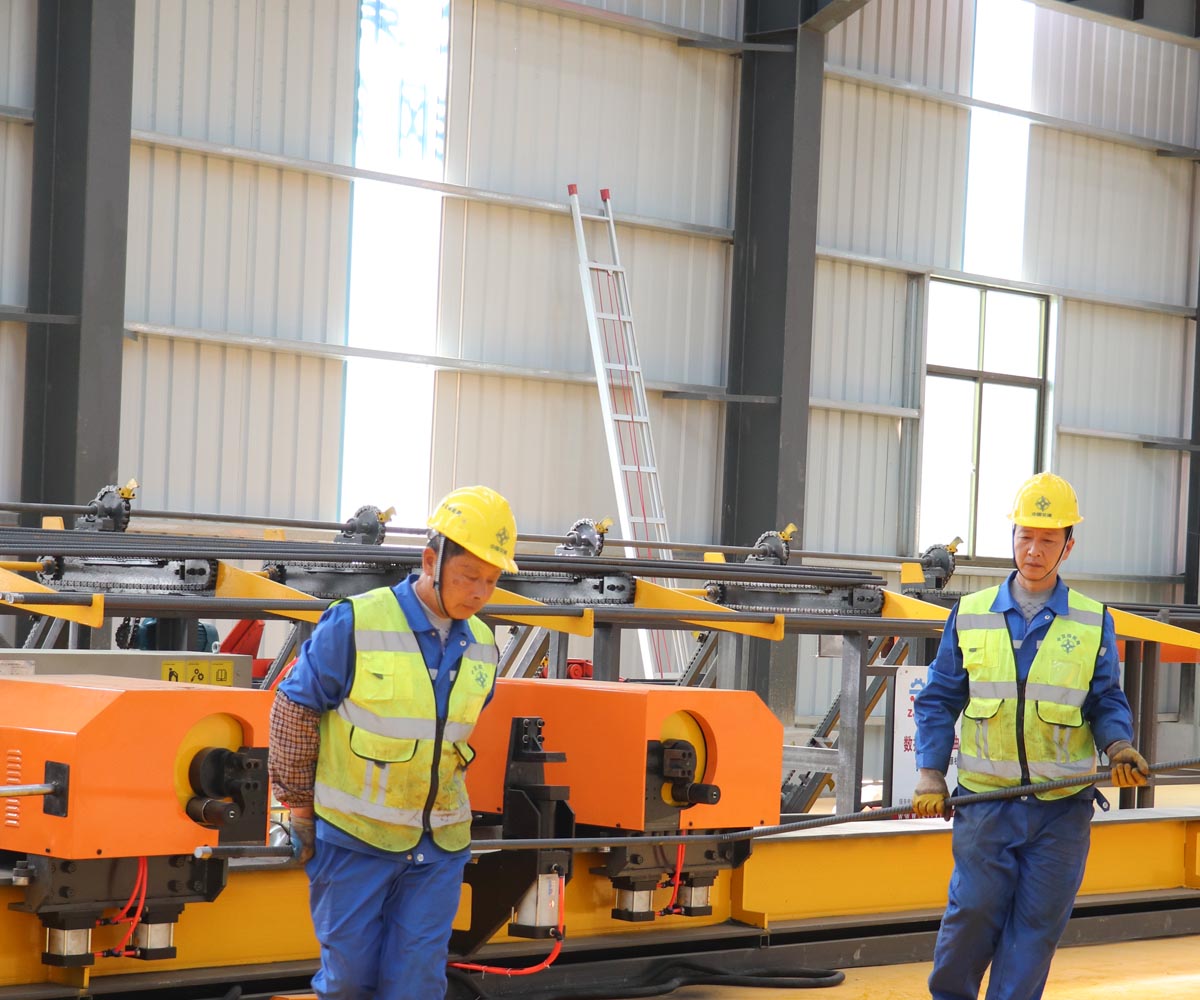
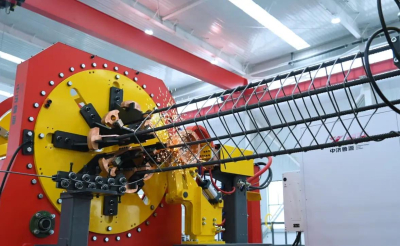
As a core intelligent equipment in modern reinforcement processing, the vertical CNC steel bar bending center is favored by construction, highway, high-speed railway and other industries for its high degree of automation, flexible operation and high processing precision. The equipment adopts modular design, where each single machine can not only operate independently to complete specific bending tasks but also coordinate with other reinforcement processing equipment (such as hydraulic steel bar shear lines) to form a continuous production line, greatly improving the overall efficiency of reinforcement processing. However, it should be emphasized that due to the high integration of mechanical, electrical and hydraulic systems in the equipment, and the high-speed operation of key components during work, the risk of operation is significantly higher than that of traditional equipment.

If personnel who are not familiar with the equipment's structure, working principle and operation procedures operate it blindly, it is very easy to cause safety accidents. Such accidents may not only lead to personal injuries such as pinching and scratching of operators but also cause serious damage to the equipment, such as bending shaft deformation, gear box failure and electrical system short circuit, resulting in huge economic losses and delaying the construction progress. Therefore, standardizing the operation of the vertical
CNC steel bar bending center is the primary premise to ensure production safety and processing quality. All operators must receive strict professional training before taking up their posts. They should not only be proficient in the functions, characteristics and operation methods of the machine but also fully grasp the safety precautions and emergency handling measures, and strictly follow the requirements of the user manual and on-site safety regulations during the entire operation process.
The pre-start-up preparation work is the first line of defense to avoid operational risks and ensure the stable operation of the equipment. It is not only related to the safety of personnel and equipment but also directly affects the processing precision and service life of the equipment. All preparation items must be completed carefully and comprehensively without any omissions. The detailed pre-start-up preparation steps are as follows:
1. Standardize the wearing of labor protection equipment. Operators must wear qualified safety helmets and protective gloves before entering the operation site. The safety helmet should be fastened firmly to prevent it from falling off during operation; the protective gloves should be wear-resistant and anti-slip to avoid hand scratches caused by steel bar burrs and prevent the steel bar from slipping during feeding. It should be emphasized that operators who fail to wear labor protection equipment in accordance with regulations are strictly prohibited from entering the operation area or operating the equipment, and the on-site supervisor shall assume the responsibility of inspection and supervision.
2. Conduct on-site safety inspection. Before starting the equipment, the operator must carefully check the surrounding environment of the machine to confirm that there are no non-operators (especially irrelevant personnel such as construction workers and pedestrians) in the safety warning area. At the same time, it is necessary to check whether there are obstacles around the equipment, such as stacked steel bars, tools and other debris, and clear them in time. The safety warning signs around the equipment should be intact and clearly visible to remind the surrounding personnel to stay away. This measure is to avoid accidental injury caused by the sudden operation of the equipment and prevent irrelevant personnel from touching the operating parts by mistake, which may lead to irreparable consequences.
3. Complete the lubrication maintenance of the equipment. Good lubrication is the key to ensuring the flexible operation of the equipment and reducing component wear. Before starting the machine, the operator should check the lubrication points specified in the user manual (such as the connection of the bending shaft, the sliding guide rail and the joint of the transmission mechanism) and add the specified type and dosage of grease. It is strictly prohibited to use inferior lubricants or mix different types of lubricants, so as to avoid affecting the lubrication effect and causing component jamming or excessive wear. After adding lubricant, it is necessary to manually rotate the relevant components slightly to ensure that the lubricant is evenly distributed.
4. Check the oil level of the gear box. The gear box is the core transmission component of the vertical CNC
steel bar bending center, and the sufficient and qualified gear oil is the guarantee of its stable operation. The operator should check the oil level of the gear box through the oil gauge: the normal oil level should be between the upper and lower scales of the oil gauge, preferably in the middle position. If the oil level is lower than the lower scale, it is necessary to add the specified model of gear oil in time; if the oil level is too high, it should be properly discharged to avoid excessive pressure in the gear box affecting heat dissipation and transmission efficiency. At the same time, check whether there is oil leakage at the joint of the gear box, and if so, repair it in time.
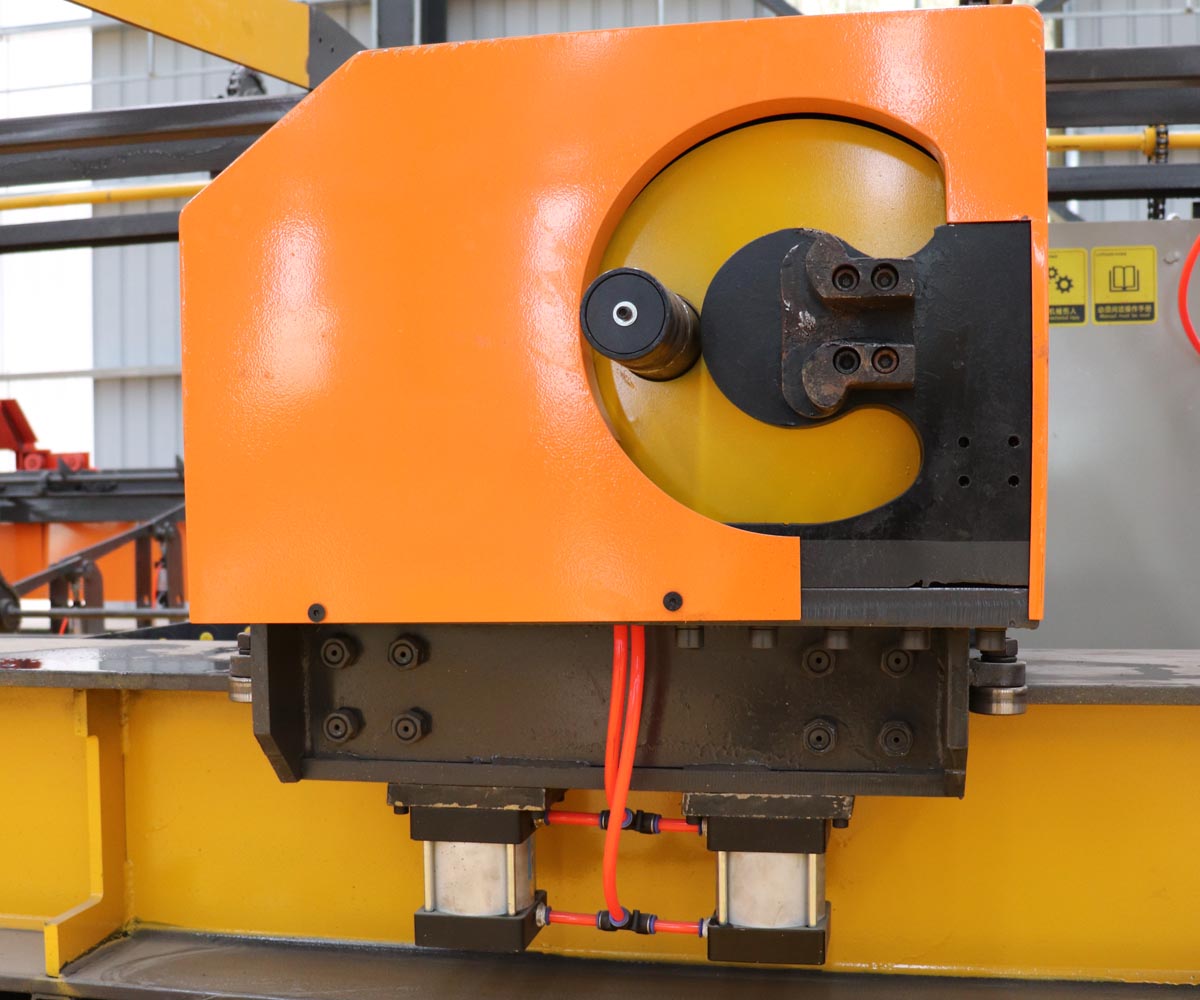
5. Inspect the key working components. The bending shaft and center shaft are the core components that directly complete the steel bar bending task, and their working status directly determines the bending quality and equipment safety. The operator should check whether the bending shaft and center shaft are intact, whether there are cracks, deformations or excessive wear; check whether the connection between the shafts and the transmission mechanism is firm, and whether there is looseness of bolts or pins. If any abnormal situation is found, the equipment shall not be started, and professional maintenance personnel shall be notified to inspect and repair it.
6. Verify the connection of air source and power supply. The
vertical CNC steel bar bending center relies on air source to drive the clamping mechanism and power supply to drive the electrical system and motor. The operator should first check whether the air source pipeline is connected firmly, and open the air source valve to check whether the air pressure meets the working requirements (generally 0.6-0.8MPa). Then check whether the power supply is connected correctly, whether the power cord is intact without damage or aging, and whether the ground wire is reliably connected to avoid electric shock accidents caused by poor grounding.
7. Check the electrical circuit and air pipe. Finally, the operator should check whether the electrical circuit switches (such as main power switch, emergency stop switch and operation button) are in normal working condition, and test the sensitivity of the emergency stop switch to ensure that it can cut off the power in time in case of emergency. At the same time, check whether each air pipe is intact without leakage, and whether the pipe joints are firm. If there is air leakage, replace the damaged air pipe or seal in time.
Only after all the above pre-start-up preparation items are confirmed to be normal can the vertical CNC steel bar bending center be started for subsequent operation. It should be reminded that the pre-start-up preparation is not a perfunctory formality, but a crucial link to avoid accidents. Every operator must establish a strong sense of safety, strictly implement each preparation step, and lay a solid foundation for safe and efficient production.