
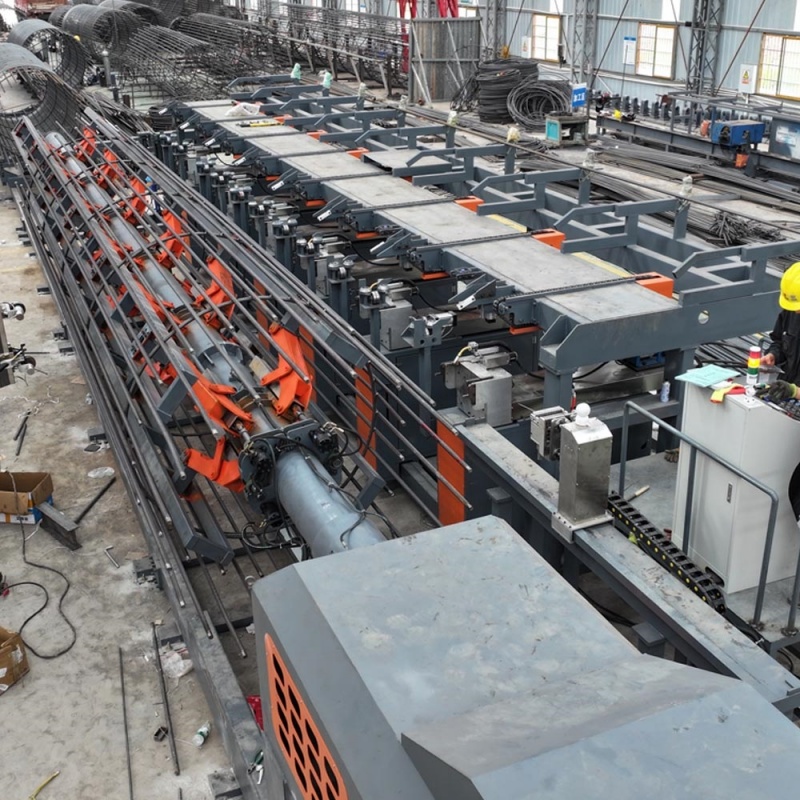
Full-Automatic Steel Cage Welding Station: Intelligent and Efficient Empowerment for Large-Scale Infrastructure Steel Processing
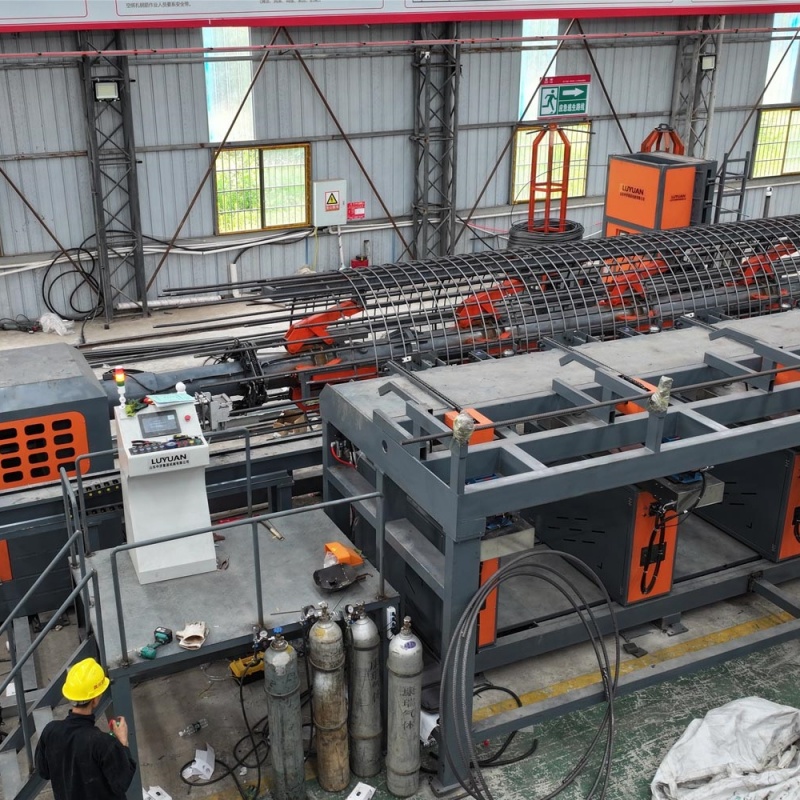
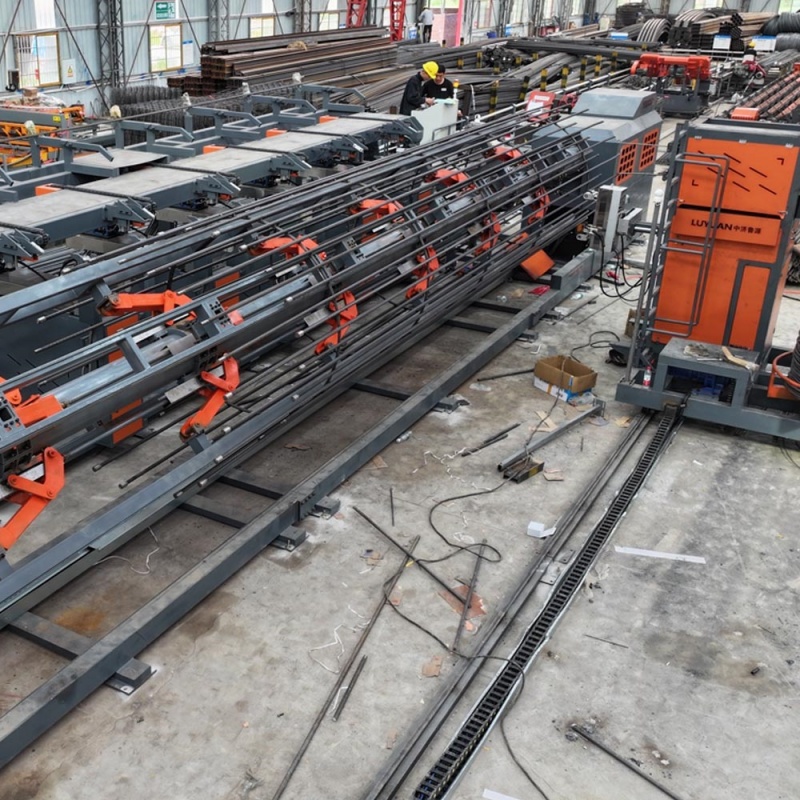
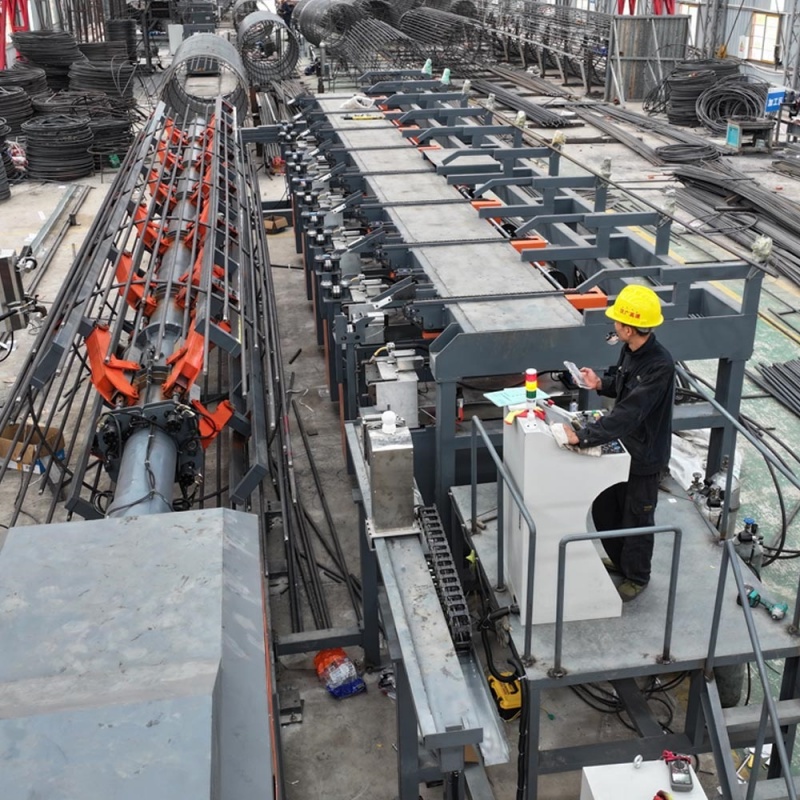
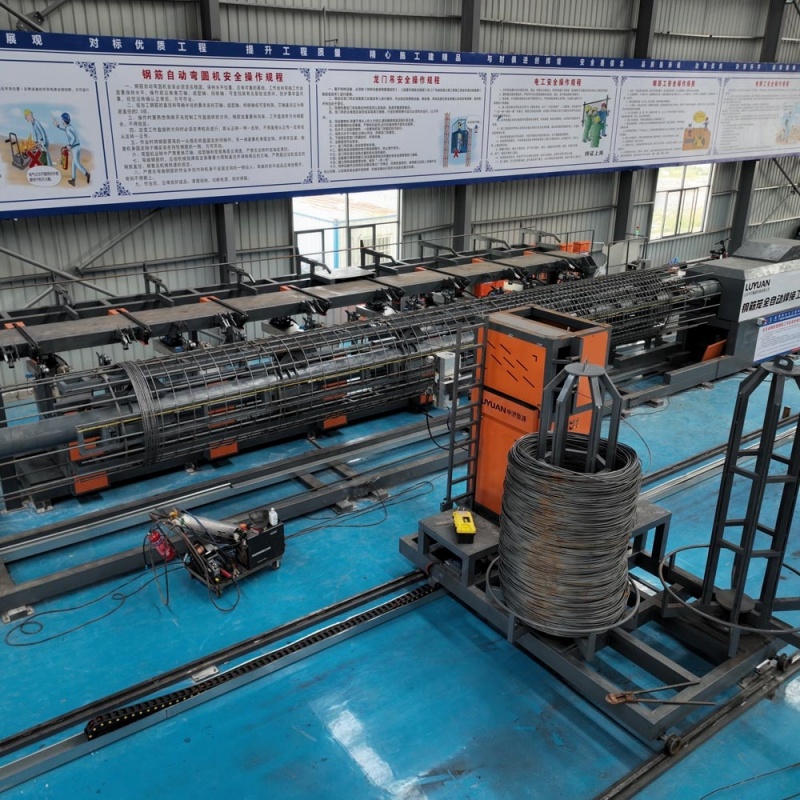
The full-automatic steel cage welding station is a core equipment for the digital transformation of large-scale infrastructure projects. It integrates full-process automated functions including automatic main reinforcement feeding, intelligent positioning, precise welding, and finished product collection, completely solving industry pain points such as low efficiency, unstable quality, and high labor intensity of traditional manual welding. Relying on flexible production technology and intelligent decision-making system, the station can adapt to the processing needs of steel cages of different specifications, and is widely used in bridges, expressways, municipal utility tunnels, prefabricated buildings and other fields. It achieves the industrial upgrading goal of "mechanization replacing manpower, automation reducing manpower, and intelligence achieving unmanned operation", and has become a standard equipment in modern steel processing and distribution centers.
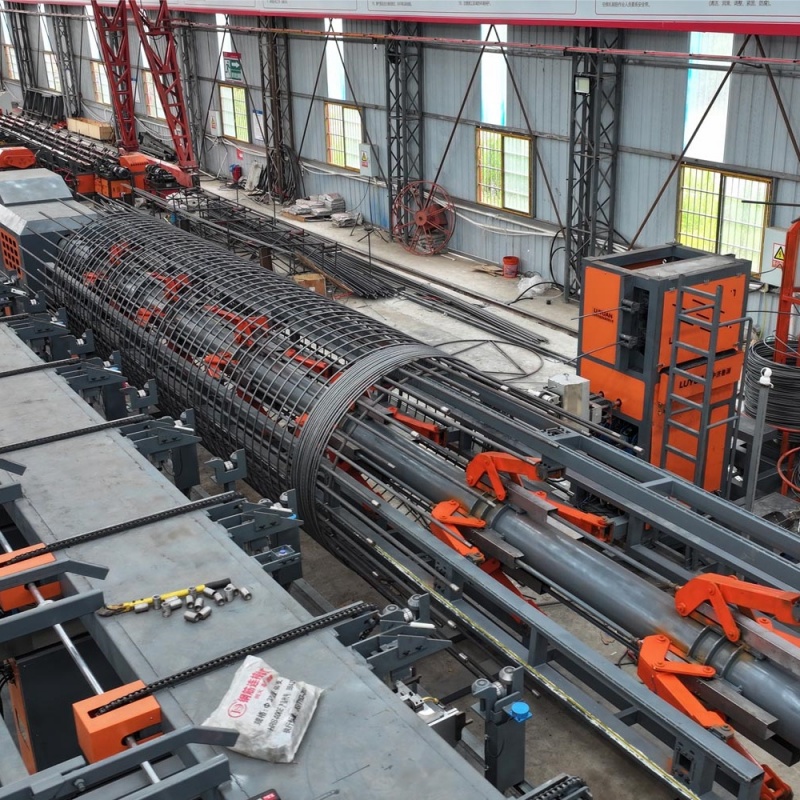
Core Advantages: Reconstructing the Efficiency and Quality Standards of Steel Cage Processing
Full-Process Automation for Significant Cost Reduction and Efficiency Improvement: Integrates full-chain functions such as steel straightening, feeding, positioning, welding, cutting, and collection to realize an unmanned operation process. Traditional manual processing of a 12m steel cage requires more than 10 people to cooperate, with a single-shift output of only 1-2 sections; the station only needs 3-5 auxiliary operators, the single-shift output is increased by more than 50%, and some models can complete the processing of a 12m standard section in 2 hours, shortening the construction period by more than 35%. After application in the Liansu Expressway project, the cumulative cost saving reached 120,000 yuan, and the personnel input was halved.
Millimeter-Level Processing Precision with Stable and Controllable Quality: Equipped with high-precision laser sensors and servo closed-loop control system, it automatically calibrates the main reinforcement position and stirrup spacing, achieving millimeter-level welding precision with a mesh diagonal error of ≤2mm. Adopting optimized square welding electrodes and multi-transformer welding system, the weld penetration is uniform, the pass rate of tensile strength test exceeds 99.8%, and the electrode service life can reach more than 300,000 times, completely eliminating the problems of missing welding and insufficient welding in manual welding.
Flexible Production Adaptation for Seamless Switching Between Multiple Specifications: Supports the processing of cylindrical, square, and rectangular steel cages with a diameter range of 1.2-2.5m, compatible with main reinforcements of different specifications from Φ12-40mm, and can realize mixed processing of 5 steel bar diameters in the same mesh. Through the digital central system, it supports CAD drawing recognition and parameterized setting. Changing processing specifications does not require manual mold adjustment, and seamless switching can be completed within 30 minutes, adapting to the diverse needs of different engineering projects.
Energy Conservation, Environmental Protection and Low Consumption with Controllable Operation and Maintenance Costs: Adopts intermediate frequency inverter welding power supply, optimizing the installed power to 650kVA, and the power consumption is reduced by 50% compared with traditional equipment. Equipped with automatic slag cleaning device and intelligent fault diagnosis system, it can remotely monitor the equipment operation status and early warn of fault risks. Daily maintenance only requires regular inspection of electrode wear and welding wire remaining, and the core components have a long warranty period of 2 years, greatly reducing operation and maintenance costs.
Core Technical Configuration: Intelligent-Driven Processing Innovation
1. Intelligent Control System
2. High-Efficiency Welding System
3. Precision Feeding and Positioning System
Wide Application Scenarios: Covering All Types of Infrastructure Projects
Transportation Infrastructure Field: Suitable for the processing of bridge pile foundations and tunnel lining steel cages in expressways and high-speed railways, such as the Xinyi River Extra Large Bridge and cross-river bridge projects of Liansu Expressway, ensuring the construction quality and progress of pile foundations;
Municipal and Utility Tunnel Engineering: Used for the processing of steel cages in urban comprehensive utility tunnels and urban rail transit, supporting the production of special-shaped cages such as rectangles and squares, and meeting the reinforcement needs of utility tunnel walls and top slabs;
Prefabricated Building Field: For the processing of steel cages of prefabricated walls, beams and columns, it has created the technologies of "precise insertion of internal and external stirrups" and "double-layer synchronous welding", improving the integrity and stability of components and assisting the industrialized production of prefabricated buildings;
Special Engineering Scenarios: Suitable for the customized processing of steel cages in projects such as ports and terminals, airport runways, nuclear power and hydropower, and can realize the integrated forming of special structures such as 90° end bends and bottleneck types.
Standardized Processing Process and Operation and Maintenance Specifications
1. Processing Process
Raw Material Preparation: Feed coiled steel bars or straight steel bars into the feeding area, and the equipment automatically completes straightening and fixed-length cutting;
Parameter Setting: Import processing drawings or select preset templates through the touch screen, and set parameters such as cage diameter, length, and spacing;
Automatic Processing: The equipment sequentially completes main reinforcement positioning, stirrup winding, and multi-point synchronous welding, and real-time monitors the welding quality during the process;
Finished Product Output: After welding, automatic cutting and separation are completed, the finished products are transported to the storage area by the conveyor belt, and processing data reports are generated simultaneously.


