1. Introduction
A rebar bending machine is indispensable core equipment for standardized steel bar processing in modern construction infrastructure. It is widely adopted in residential buildings, municipal engineering, highway bridges, and professional rebar processing factories to bend straight threaded steel bars and round bars into standard shapes such as hooks, angles, and arcs that meet engineering specifications. With the global construction industry accelerating intelligent upgrading and the elimination of backward manual processing methods, mastering the standard operation of a rebar bending machine has become a basic competency for construction contractors and processing enterprises. Standardized operation not only ensures processing accuracy and construction safety but also effectively reduces equipment failure rates and production costs. This article provides a systematic, industry-standard operation guide for B2B buyers, covering market trends, equipment structure, technical parameters, standardized usage steps, and buyer pain points, helping global users maximize the service efficiency and service life of the rebar bending machine.

2. Industry Trends & B2B Market Demand Analysis
The global construction machinery market maintains stable growth, with the demand for automated rebar processing equipment rising year by year. Industry data shows that the penetration rate of
automatic rebar bending machine in large-scale engineering projects has exceeded 65% in 2026, replacing traditional manual bending and semi-automatic mechanical bending gradually. The core industry trend focuses on three dimensions: intelligence, high precision, and low maintenance.
First, CNC intelligent operation has become the mainstream configuration. Traditional mechanical rebar
bending machines rely on manual adjustment, featuring low precision and high error rates, while modern automatic rebar bending machine supports one-key parameter setting and memory storage, adapting to standardized batch processing. Second, international engineering acceptance standards are increasingly stringent, requiring rebar bending tolerance to be controlled within ±1°, which can only be stably achieved through standardized machine operation. Third, global labor shortages push enterprises to improve operational efficiency, making standardized and efficient rebar bending machine operation a key factor in project cost control.
3. Core Structure of a Standard Rebar Bending Machine
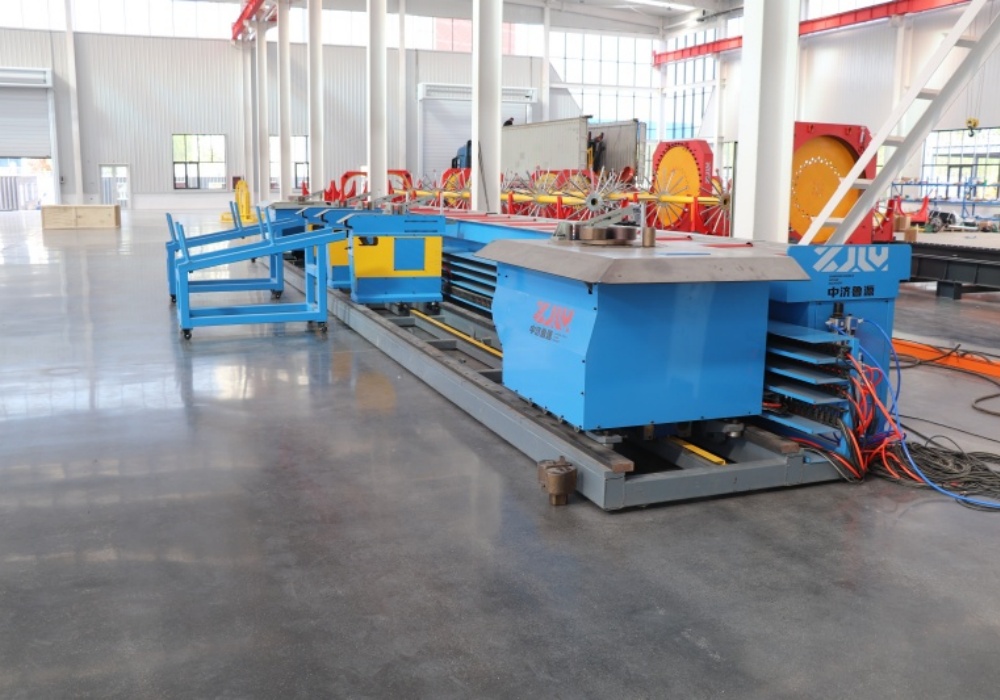
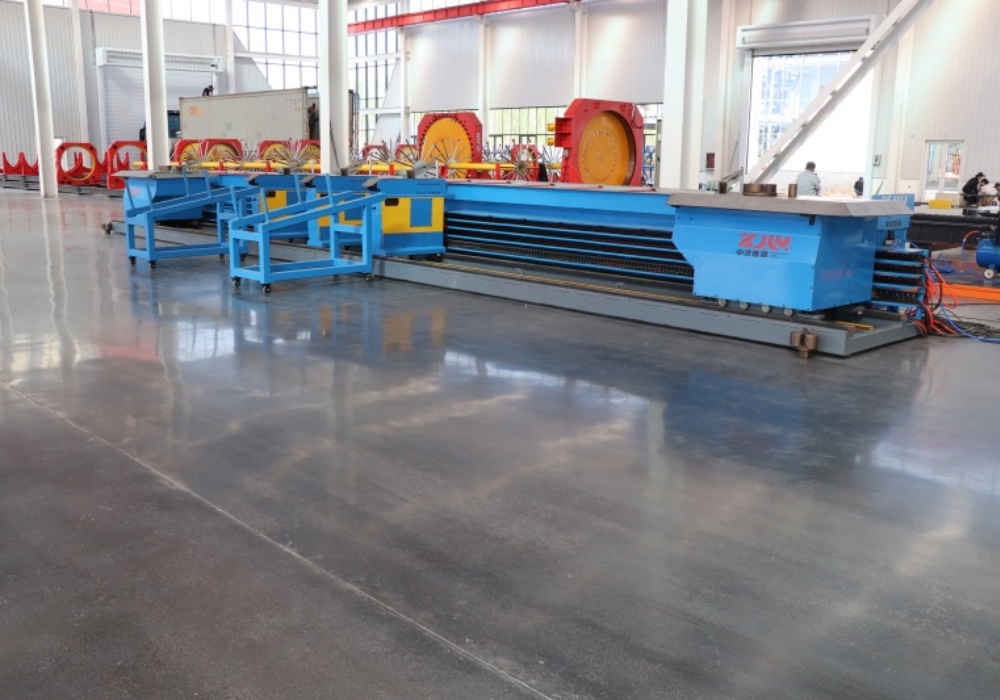
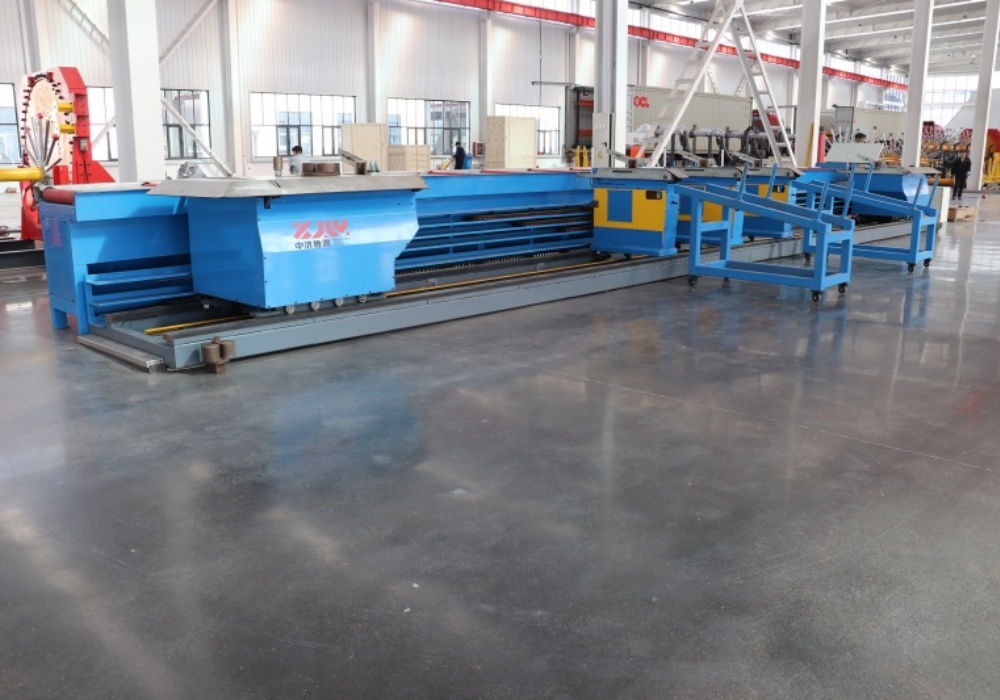
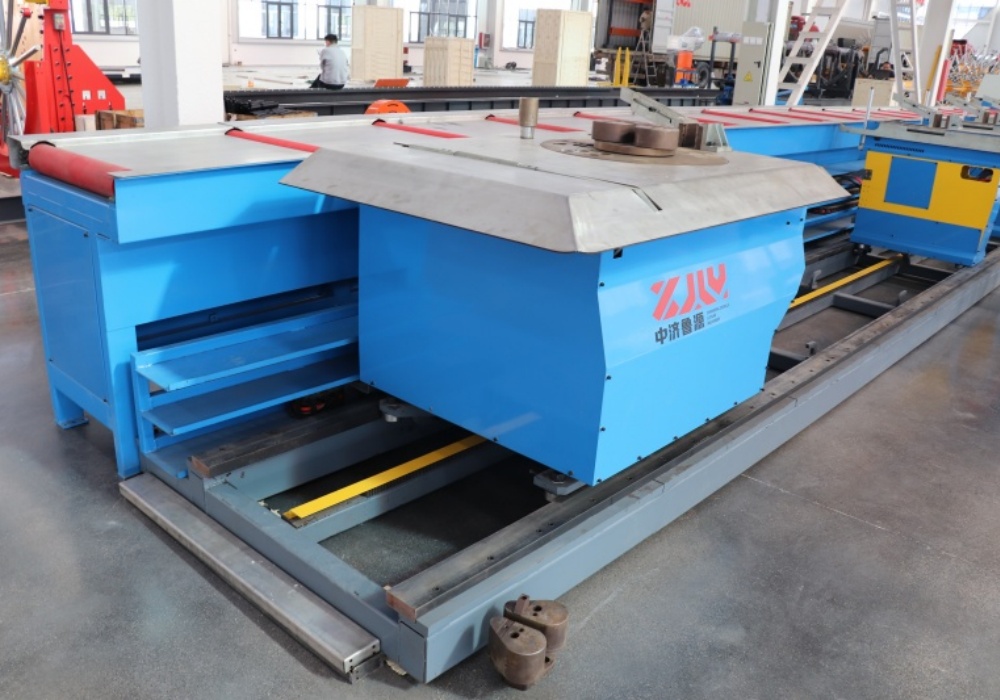
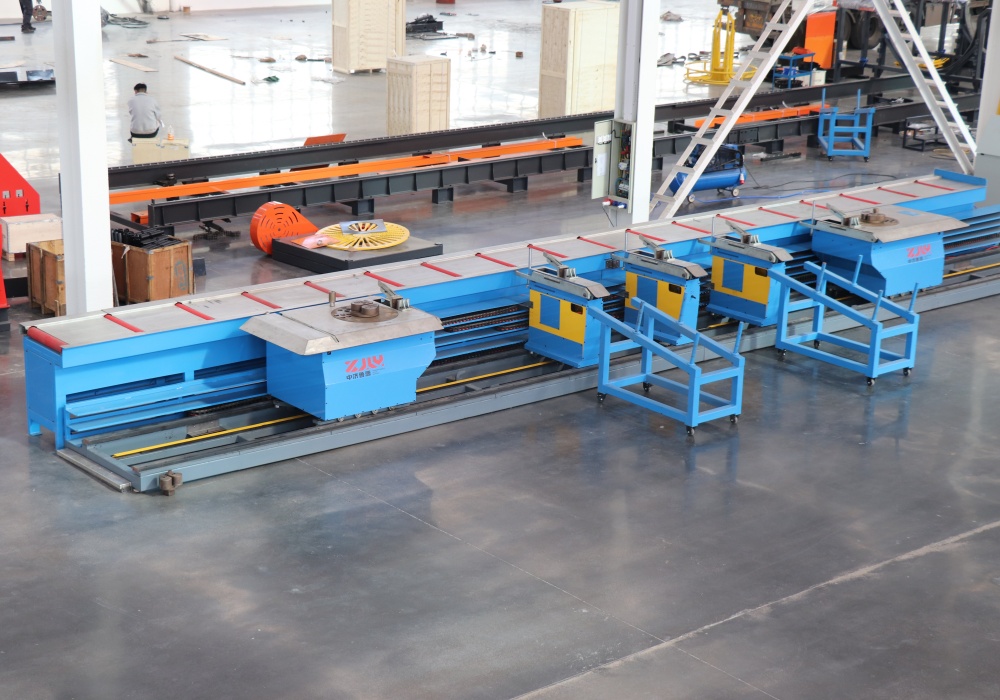
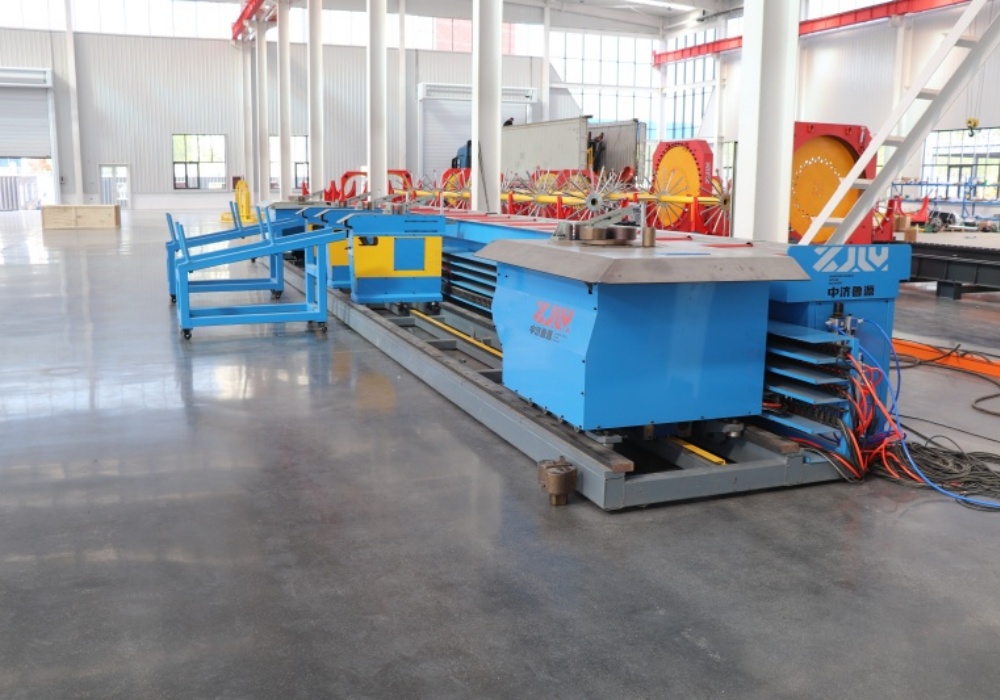
To proficiently use a rebar bending machine, users must first understand its core structural components, as each part directly affects bending accuracy and operational safety. A standard industrial-grade rebar bending machine consists of four core modules with clear division of labor and stable coordination.
Frame Structure: Adopts thickened integral welded steel frame, featuring high hardness and strong deformation resistance. It bears the torsion and pressure generated during high-intensity bending operation, ensuring long-term stable operation without vibration deviation.
CNC Control System: The core intelligent module of modern equipment, equipped with industrial touch screens, supporting angle calibration, speed adjustment, and multi-specification parameter storage, which greatly simplifies the operation of precision rebar forming for construction projects.
Bending Execution Module: Including bending mandrel, positioning baffle, and rotating turntable. It is the key component for rebar forming, and the wear resistance and installation accuracy of accessories directly determine the finished product qualification rate.
Power & Safety Module: Composed of high-power motor, transmission gear set, and emergency stop protection device. It provides stable power output and avoids safety accidents caused by misoperation or equipment overload.
4. Key Technical Parameters for Standard Operation
Different models of rebar bending machines have differentiated parameter ranges, and standardized operation must strictly match equipment parameters to avoid overload damage and unqualified processing. The mainstream technical parameters of commercial automatic rebar bending machine for global B2B markets are as follows, which are also the core reference standards for daily operation and processing:
The conventional processing range covers steel bars with a diameter of 6mm to 32mm, adapting to most civil and infrastructure projects. The rated power is 7.5kW to 11kW, matching 380V/50Hz or customized 415V/60Hz global voltage standards. The standard bending speed is 8 to 15 pieces per minute, with an angle accuracy of ±1°. The whole machine weighs about 680kg, with a compact and stable structure, suitable for both factory centralized processing and on-site mobile operation. Operating within the parameter range is the primary premise to ensure the service life and processing quality of the rebar bending machine.
5. Step-by-Step Standard Usage Instructions for Rebar Bending Machine
Scientific and standardized operation is the core to improve efficiency and reduce failure rates. The complete operation process is divided into pre-operation inspection, parameter calibration, trial operation, formal processing, and post-operation maintenance, which is applicable to all
CNC rebar bending machine models.
Pre-Operation Comprehensive Inspection: Before starting the equipment, check the integrity of the fuselage structure, confirm that the bending mandrel and positioning baffle are installed firmly without wear and looseness. Inspect the lubrication of gears and bearings, replenish lubricating oil regularly to avoid dry friction. Meanwhile, check the circuit and grounding safety to ensure no leakage or hidden circuit troubles. Clean up on-site sundries to guarantee a smooth operating area.
CNC Parameter Calibration: According to the construction drawing standards, input the required bending angle, rebar specification, and processing spacing on the touch screen. For repeated processing of fixed specifications, store the parameters for one-click calling to improve batch processing efficiency. Complete zero calibration of the equipment to eliminate mechanical errors and ensure precision bending.
Empty Machine Trial Operation: Start the equipment for 1-3 minutes of empty operation, observe whether the turntable runs stably, whether there is abnormal noise or jamming. After confirming normal operation, conduct single-piece trial bending, measure the finished rebar size and angle with professional tools, and adjust parameters timely if errors occur.
Formal Batch Processing: After the trial product is qualified, carry out continuous feeding and bending operation. Place the steel bars stably according to the positioning scale, avoid forced feeding and overload processing. During operation, monitor the equipment running status in real time, and stop the machine immediately for inspection in case of abnormal vibration or noise.
Post-Operation Maintenance & Shutdown: After daily work, cut off the power supply completely, clean the metal debris and dust on the equipment surface and rotating parts, and lubricate the key transmission components. Sort out the finished rebars and record the equipment operation status to facilitate subsequent maintenance and inspection.
6. Global B2B Buyers’ Procurement Preferences & Core Pain Points
Combined with overseas after-sales data and customer feedback, international B2B buyers have clear preferences for rebar bending machine selection and use. Buyers prefer intelligent, easy-to-operate, low-failure equipment with universal accessories and multi-country voltage adaptation, which can reduce on-site operation difficulty and maintenance costs.
At the same time, most overseas users face three core pain points in equipment use. First, unfamiliar with CNC rebar bending machine calibration methods, resulting in low processing accuracy and unqualified engineering acceptance. Second, irregular daily operation and maintenance lead to accelerated component wear and frequent equipment failures, affecting project progress. Third, lacking standardized operation tutorials, resulting in low processing efficiency and wasted labor costs. Solving these pain points through standardized operation is the key to improving the return on investment of equipment procurement.
7. B2B Buyer FAQ
Q1: Can a rebar bending machine process all types of construction steel bars?
Standard rebar bending machines are applicable to conventional round steel bars and HRB400/HRB500 threaded steel bars for construction. It cannot process ultra-high-strength special steel bars or steel bars exceeding the maximum processing diameter of the equipment to avoid equipment damage and safety risks.
Q2: How to solve the problem of inaccurate bending angle during machine operation?
Inaccurate angles are mainly caused by uncalibrated CNC parameters, loose positioning baffles, or worn mandrels. Users can recalibrate the system zero point, fasten positioning accessories, and replace worn parts to restore processing accuracy, and conduct trial bending verification before batch production.
Q3: What routine maintenance is required for long-term stable operation?
Daily maintenance includes cleaning metal debris and checking circuit safety; weekly maintenance focuses on gear and bearing lubrication; monthly maintenance requires inspecting the wear of bending accessories and tightening structural bolts. Standard maintenance can extend the equipment service life to more than 10 years.
Q4: Is professional training required for operating a CNC rebar bending machine?
Modern CNC rebar bending machines adopt visualized touch screen operation with pre-set standard engineering parameters. General workers can master basic operation in 1-3 days with simple training, and professional operation and calibration skills can be proficiently mastered through supporting official operation tutorials.
Standardized use of a rebar bending machine is crucial for improving construction quality, reducing operating costs, and avoiding equipment failures. In the context of global construction automation, mastering scientific operation and maintenance methods can maximize the value of automatic rebar bending machine and help B2B users gain advantages in project efficiency and quality control. Different project scenarios and processing specifications require targeted parameter adjustment and operation schemes, and improper operation is the main cause of low efficiency and high failure rates.
If you need detailed operation manuals, parameter debugging guides, real operation videos, and exclusive quotation for rebar bending machine, our professional engineering team provides one-stop customized solutions. We support multi-country voltage customization, global shipping, and 24/7 overseas after-sales technical guidance. Contact us now to obtain professional technical materials and a competitive factory direct sales quote to optimize your rebar processing workflow.