How to Choose a Pile Cage Welding Machine
The structural rigidity and component quality of a pile cage welding machine determine its service life and operational stability. Low-quality equipment often suffers from frame deformation, rotating disc jitter, and unstable welding spots after long-hour operation, seriously affecting cage roundness and welding firmness.
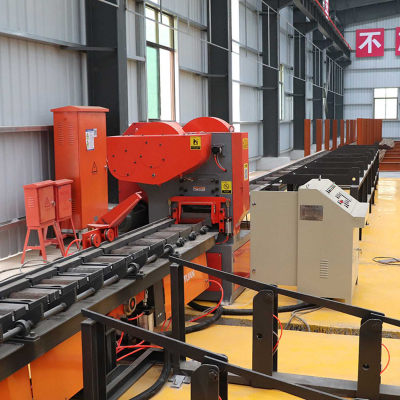
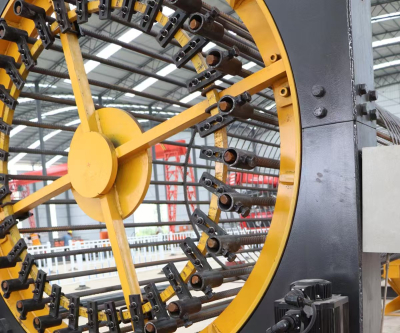
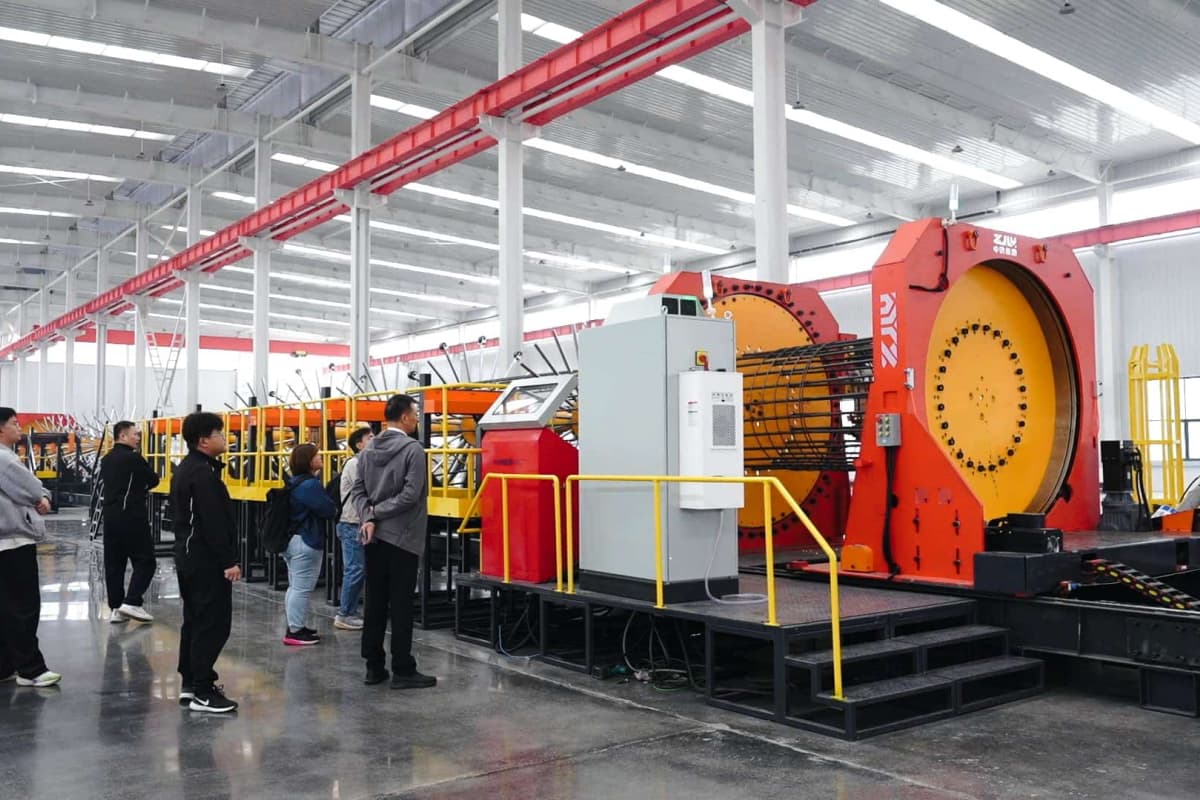
A qualified industrial-grade pile cage welding machine adopts thickened welded steel plate frames with stress relief treatment to resist vibration and deformation during continuous rotation. The dual fixed and movable rotating disc system must achieve synchronous operation to ensure uniform main bar spacing and consistent cage roundness. The welding system is another key inspection point; premium models adopt high-conductivity chrome-zirconium copper electrodes and high-power welding transformers, ensuring firm welding points without burning or missing welds.
Product Details
A pile cage welding machine is a core automated device for manufacturing reinforced foundation cages used in bridge piles, building foundations, and municipal infrastructure projects. For piling contractors, rebar fabrication factories, and construction enterprises, selecting a suitable pile cage welding machine directly determines production efficiency, finished cage quality, project compliance, and long-term operational costs. Many buyers make procurement mistakes by only focusing on upfront prices while ignoring equipment matching degree, structural stability, and after-sales support, resulting in low production capacity, frequent failures, and unqualified welded cages.
This professional guide systematically explains how to choose a high-performance pile cage welding machine based on project demands, technical parameters, structural quality, and manufacturer strength. It covers core selection criteria and practical screening methods, helping global engineering buyers avoid procurement pitfalls and select the most cost-effectiveautomated pile cage welding machine for long-term project operation.
1. Match Machine Parameters with Actual Project Requirements
Parameter matching is the primary principle for selecting a pile cage welding machine. All technical specifications must align with local engineering standards and on-site production demands, as mismatched parameters will lead to unusable equipment or substandard finished products.
First, confirm the processing range of cage dimensions. Different projects require different pile cage diameters and lengths. Conventional industrial models support a cage diameter of 300mm to 3000mm and a maximum length of 27 meters, covering most building and bridge pile foundations. For large-scale bridge and offshore foundation projects with super-large diameter cages, buyers must select customized heavy-duty models with enhanced bearing capacity. Second, verify rebar processing specifications, including main bar diameter (12mm–40mm) and stirrup wire diameter (5mm–14mm). Professional high-precision pile cage welding equipment allows stepless adjustment of stirrup spacing from 50mm to 500mm to meet diverse structural design codes.
In addition, production speed should match daily output demands. Standard machines offer a forming speed of 1.5–2.8 meters per minute, which is sufficient for medium-sized construction sites. Large precast factories pursuing batch production need high-speed upgraded models to improve overall operational efficiency.
2. Inspect Core Structural Design and Manufacturing Quality
The structural rigidity and component quality of a pile cage welding machine determine its service life and operational stability. Low-quality equipment often suffers from frame deformation, rotating disc jitter, and unstable welding spots after long-hour operation, seriously affecting cage roundness and welding firmness.
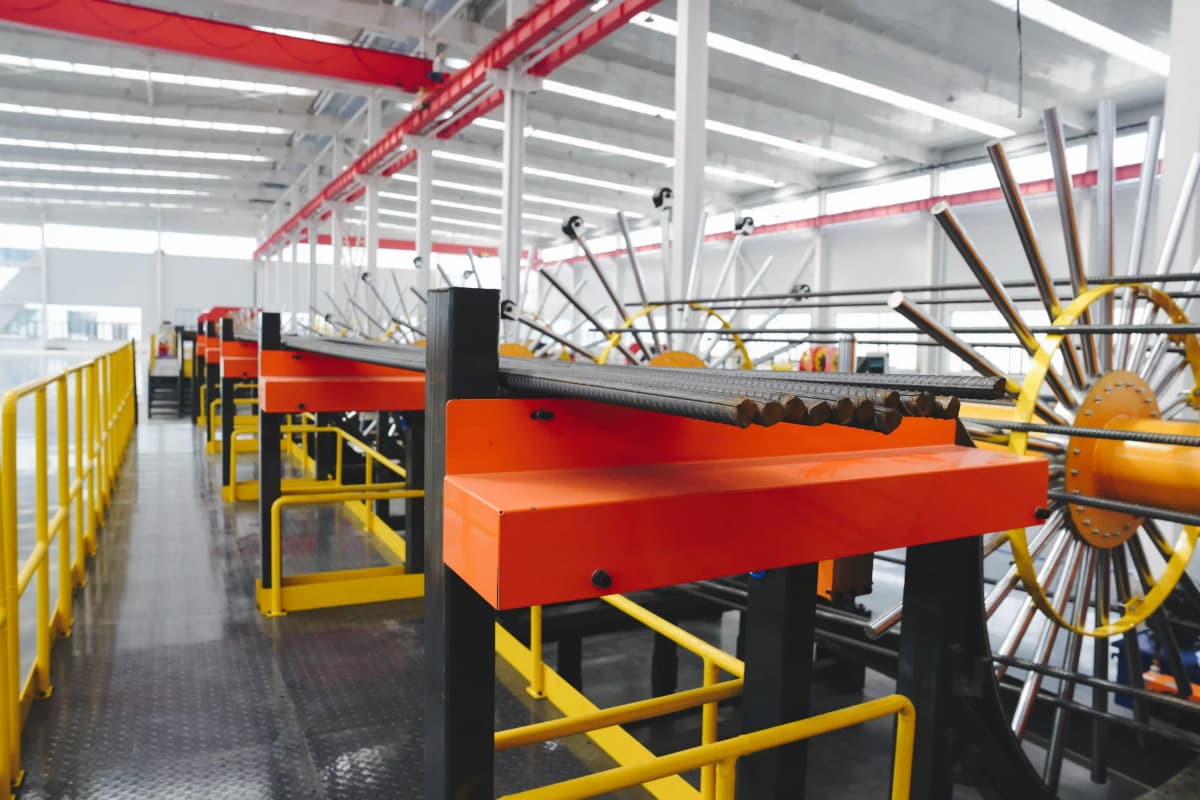
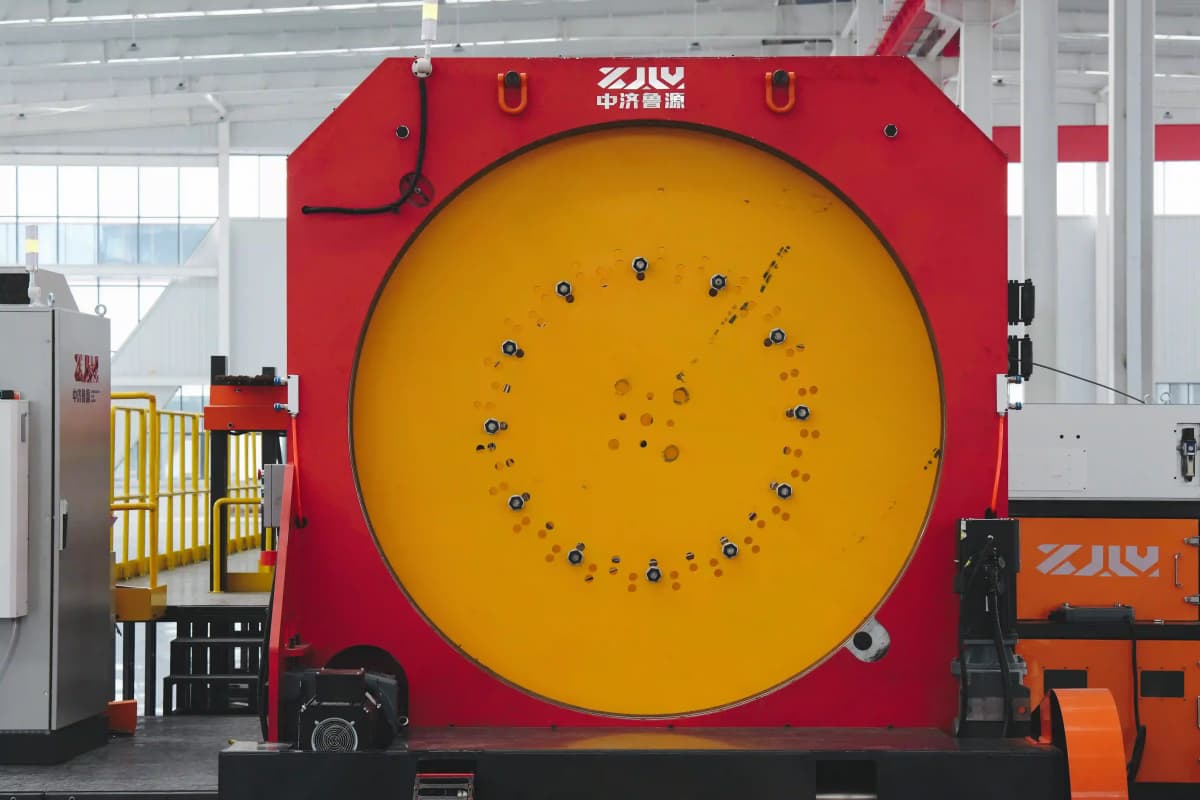
A qualified industrial-grade pile cage welding machine adopts thickened welded steel plate frames with stress relief treatment to resist vibration and deformation during continuous rotation. The dual fixed and movable rotating disc system must achieve synchronous operation to ensure uniform main bar spacing and consistent cage roundness. The welding system is another key inspection point; premium models adopt high-conductivity chrome-zirconium copper electrodes and high-power welding transformers, ensuring firm welding points without burning or missing welds.
For long cage production scenarios, priority should be given to models equipped with hydraulic auxiliary support structures to prevent cage sagging and structural distortion. Avoid lightweight assembled frames used in low-end equipment, which cannot adapt to long-term high-load industrial production.
3. Evaluate Intelligent Control and Operational Convenience
Modern construction production pursues low labor dependence and standardized operation, making the control system a critical evaluation index for equipment selection. Excellent PLC-controlled pile cage welding machine simplifies complex production operations and reduces reliance on senior technicians.
A qualified control system adopts mature PLC+HMI touchscreen operation, supporting one-click parameter setting and multi-specification template storage. Operators can quickly switch production parameters for different cage sizes, greatly shortening equipment debugging time. Advanced models are equipped with real-time fault self-diagnosis, weld quality monitoring, and automatic counting functions, which effectively reduce manual errors and facilitate production management and material statistics.
In addition, the equipment’s automation level should be selected according to team scale. Fully automatic models realize automatic feeding, straightening, welding, and discharging, suitable for large factories with high output demands; semi-automatic models with partial manual assistance are more cost-effective for small and medium construction sites with flexible project demands.
4. Verify Production Stability and Engineering Compliance
Pile cages belong to key structural components of foundation engineering, and their processing quality must strictly comply with international construction standards. When choosing a pile cage welding machine, buyers must prioritize equipment that can deliver stable and compliant finished products.
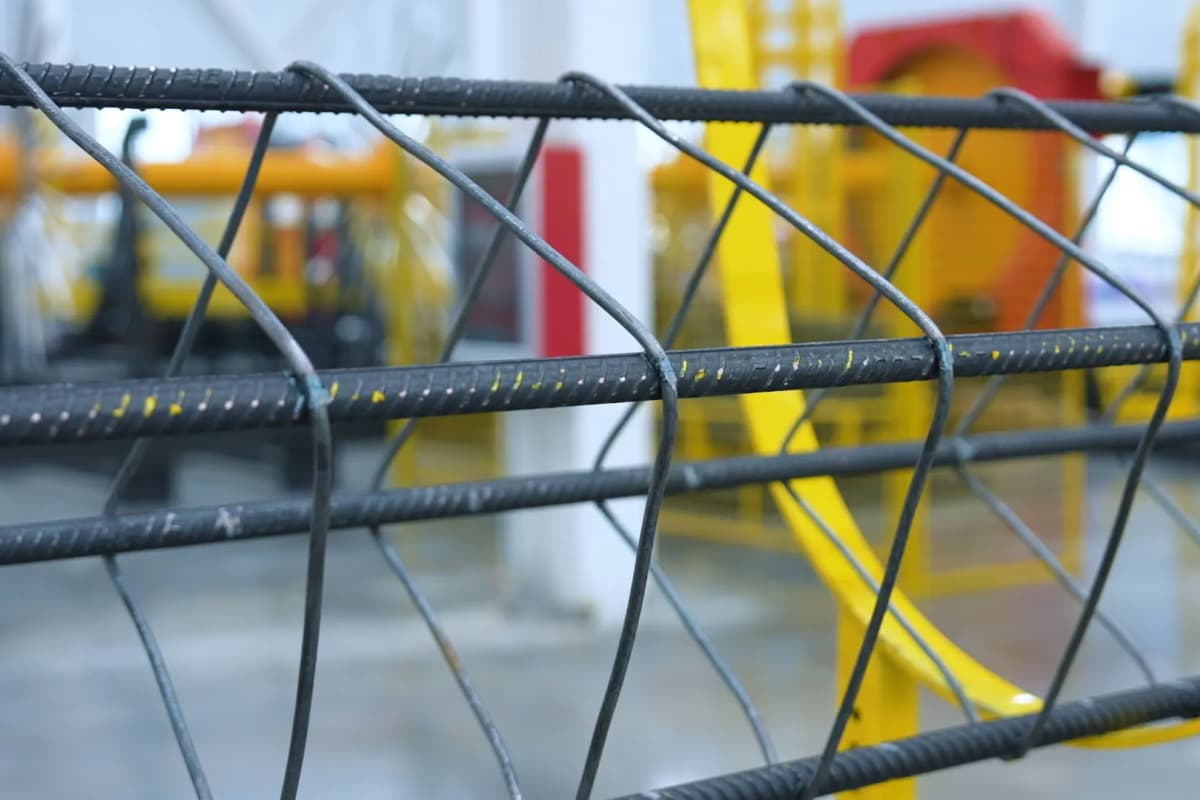
High-quality equipment maintains welding angle accuracy and dimensional tolerance within international standard ranges, ensuring uniform stirrup spacing, consistent cage diameter, and firm welding points for every finished product. Compared with manual welding and low-end mechanical equipment, standardized mechanical processing effectively avoids common quality problems such as uneven welding, distorted cage shape, and excessive dimensional deviation, reducing project rework and inspection risks.
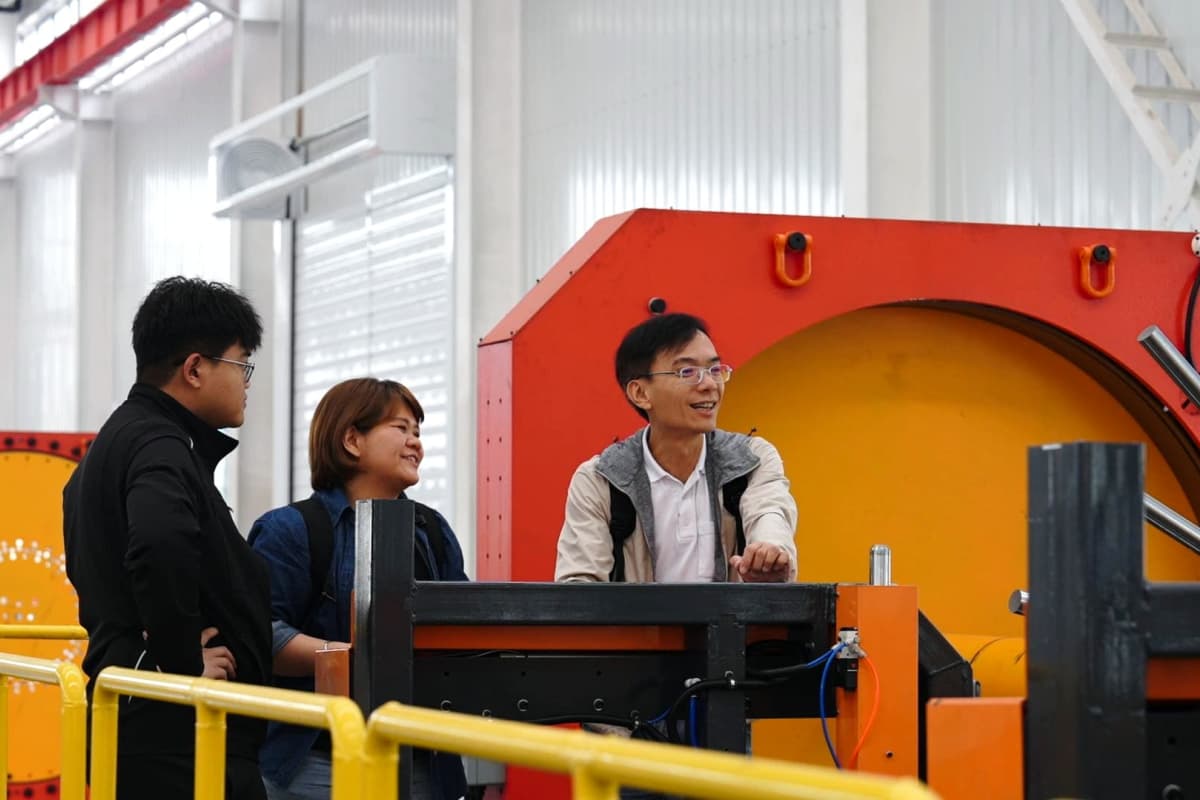
Buyers can verify equipment quality by checking factory test reports, on-site production samples, and real project cases, ensuring the equipment meets local engineering acceptance standards for foundation reinforcement structures.
5. Compare Manufacturer Strength and After-Sales Service
Equipment quality and long-term operation reliability are inseparable from manufacturer technical strength and after-sales support. Many low-price devices lack standardized after-sales systems, leading to long downtime once faults occur and seriously delaying project progress.
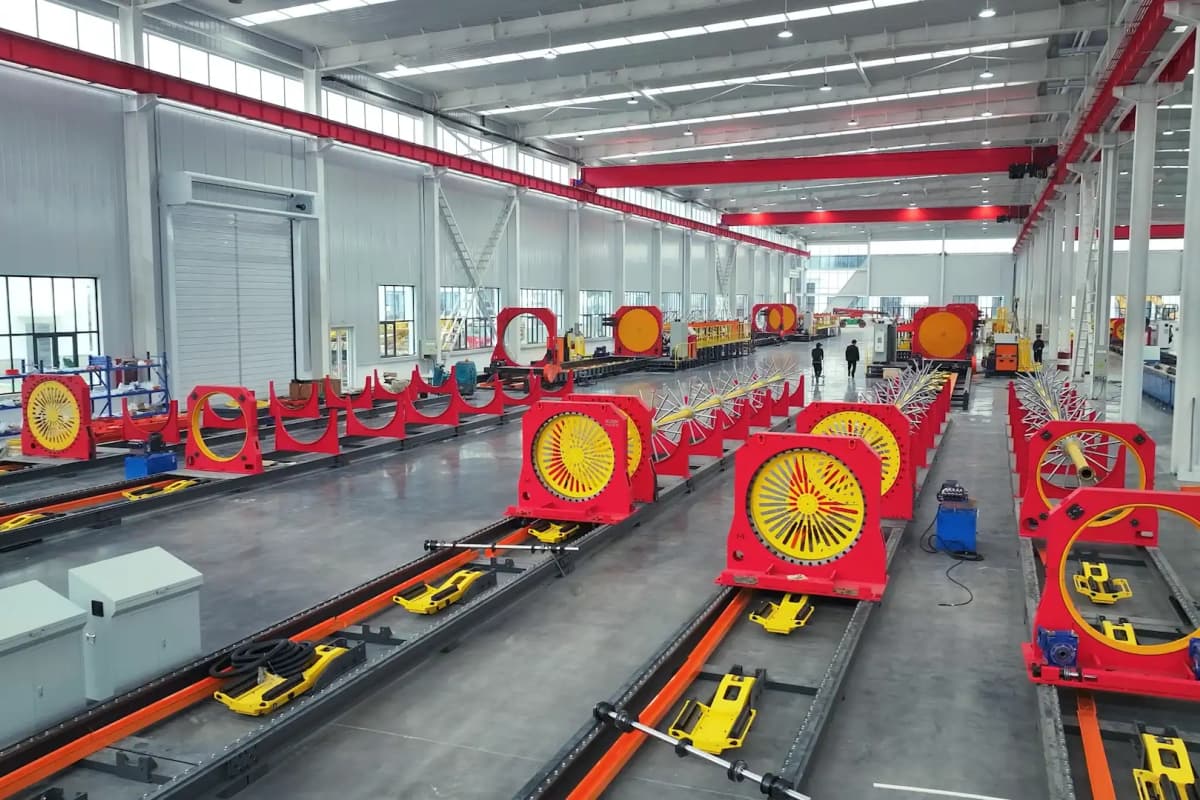
Reliable manufacturers possess complete production workshops, mature R&D teams, and rich engineering application experience, capable of providing custom pile cage welding machine solutions for special project demands. Meanwhile, formal suppliers offer standardized after-sales services including equipment installation guidance, operational training, regular maintenance reminders, and quick spare parts supply. A complete warranty system and global technical support capability are essential guarantees for long-term stable equipment operation.
6. Balance Budget and Long-Term Return on Investment
Price is an important factor in procurement, but buyers should not blindly pursue low prices. Low-cost equipment often uses inferior materials and simplified configurations, resulting in high failure rates, short service life, and poor product quality, which increases comprehensive operational costs in the long run.
High-quality industrial-grade pile cage welding machines have a service life of 8–15 years, with stable performance and low maintenance costs. Although the initial investment is higher, they can significantly improve production efficiency, reduce labor costs and material waste, and bring higher long-term ROI. Buyers should comprehensively evaluate equipment performance, stability, and after-sales value to select the most cost-effective model matching their production scale.
Leave your messages