How Does a Rebar Bending Machine Work?
On a typical construction project, bending rebar by hand is slow, inconsistent and physically punishing. A rebar bending machine solves this by clamping the steel bar, rotating it against a fixed set of rollers and pins, and producing a precise bend within seconds. Understanding how this equipment actually works — and what separates a manual unit from a CNC-controlled one — helps contractors, rebar fabricators and project engineers choose the right machine for their production volume, bar diameter range and accuracy requirements. This article walks through the working mechanism step by step, then looks at configuration options, typical applications and common buying questions.
 1]
Industry Background: Why Bending Matters in Rebar Processing
Reinforcing steel rarely leaves a fabrication yard in straight lengths. Stirrups, hooks, U-bars, spiral shapes and bent bars for pile caps, columns and bridge decks all require the bar to be formed at specific angles and dimensions before it reaches the site. Bending quality directly affects three things that buyers care about: structural performance, since incorrect bend angles can damage the bar's outer surface and reduce its effective strength; installation speed, because accurately bent bars assemble into cages faster; and material yield, since imprecise bending produces scrap that must be reworked or discarded.
On large infrastructure projects — pile foundations for bridges, high-speed rail viaducts, metro stations and precast yards — thousands of identical bends are produced every day. Hand-operated benches cannot hold tolerances at that volume, which is why workshops that once relied on manual levers have been steadily moving to powered and CNC-controlled bending equipment.
How a Rebar Bending Machine Works: The Mechanism Explained
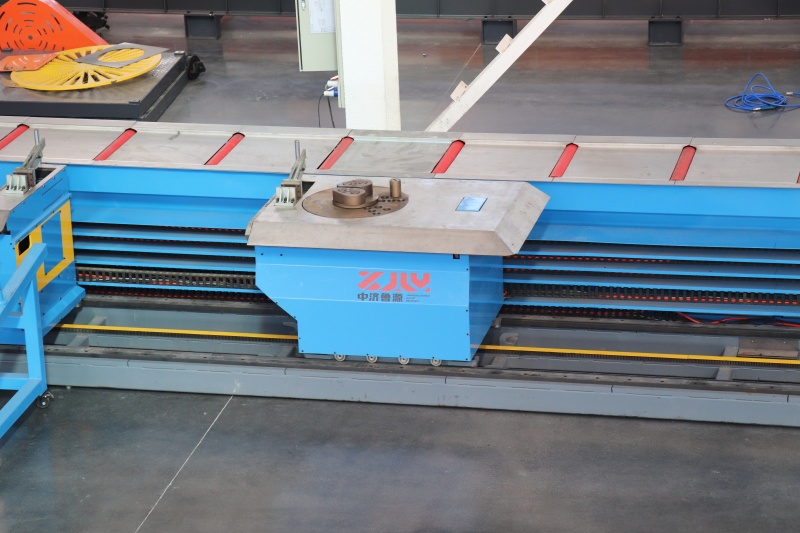
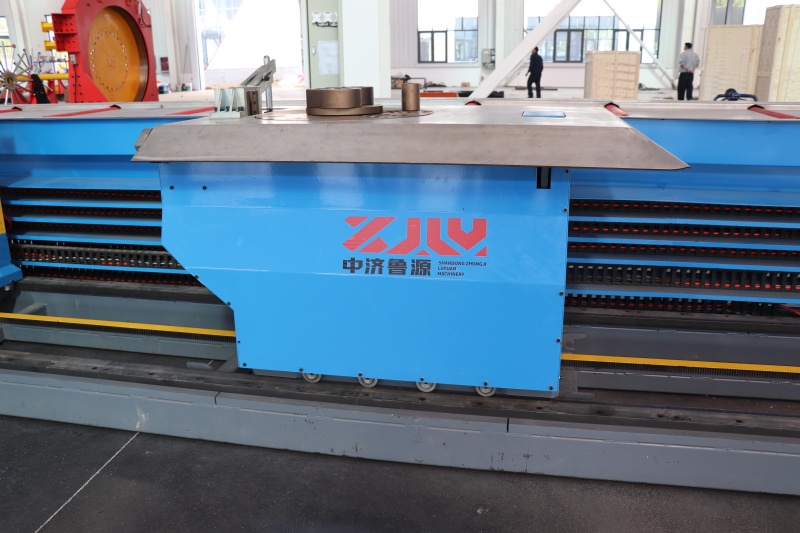
Most rebar bending machines share a common working principle: the bar is held between a central rotating disc (or spindle) and a set of fixed guide rollers. The bending process follows a predictable sequence.
1. Loading and positioning. The operator (or an automatic feeding system on larger lines) places the deformed or plain steel bar between the central bending pin and the positioning rollers. On a standard machine, two adjustable stops define where the bend begins and ends.
2. Clamping. The bar end is secured in a holder on the rotating disc. This prevents slippage during bending, which is critical for maintaining the set angle.
3. Rotation and bending. The geared motor drives the disc. As it turns, the bar is drawn around the central pin while the fixed rollers keep the incoming length straight and supported. The bar conforms to the pin's diameter, which determines the inside bend radius. Bending speed is typically adjustable — lower speeds are used for large-diameter bars to avoid overstressing the material.
4. Angle stop and release. When the set angle (90°, 135°, 180° or any preset value) is reached, the machine stops automatically on mechanically or electronically controlled models. The bar is released, and the cycle repeats.
5. Reverse operation. The disc can rotate in both directions, allowing the operator to produce multiple bends on a single bar — for example, the two opposing hooks of a U-bar — without flipping the workpiece.
The key consumable parts are the bending pins and rollers, which come in different diameters to match bar sizes. Bending a 32 mm bar around a pin that is too small will crack the outer surface, so reputable machines ship with a full pin set and a clear table of minimum bend diameters relative to bar size, in line with common reinforcement detailing practice.
 2]
Manual vs CNC Bending: What Changes in Production
A manual rebar bender is operated foot-pedal or button-controlled: the operator sets stops by hand and watches the angle. This works well for repair shops and small sites with mixed, low-volume work. A CNC-controlled machine changes the economics of a fabrication shop in three ways:
Programmable batches. Angle, length and quantity are entered once, and the machine repeats the cycle for the whole batch without re-measuring, which removes operator-dependent angle variation.
Higher throughput. Cycle times are shorter and one operator can supervise feeding while the machine bends, so a two-person team often handles the daily output that previously needed three or four.
Integration with cutting and feeding lines. On modern automated rebar processing lines, bending units are combined with shear lines and material handling, turning straight stock into finished stirrups and bent bars with minimal manual touch.
Applications Across Projects
In pile foundation work, bent bars form the cages and anchorage hooks that tie pile heads into caps; consistent bend angles keep cage geometry uniform so cages can be welded or tied quickly on the jig. On bridge and high-speed rail projects, large-diameter bars for piers and decks are bent in long lengths, requiring machines with strong gearboxes and stable bending discs. Rebar processing plants serving multiple construction sites value machines that switch quickly between stirrup production and heavy bar bending, because order mix changes daily. And in precast concrete yards, repeatable bends are essential since every element uses identical reinforcement layouts.
Choosing the Right Configuration
When evaluating a bending machine, buyers should check four parameters against their actual bar mix:
Diameter range. Confirm the machine covers your largest common bar size with margin — bending at the absolute limit of the rating shortens equipment life.
Bending disc and motor. Heavier discs and larger geared motors handle high-strength and large-diameter bars with fewer stalls.
Control type. Electronic angle control and programmable positions pay for themselves quickly above roughly 100 bends per day.
Pin and roller set. A complete set for all bar sizes, plus availability of spares, prevents downtime later.
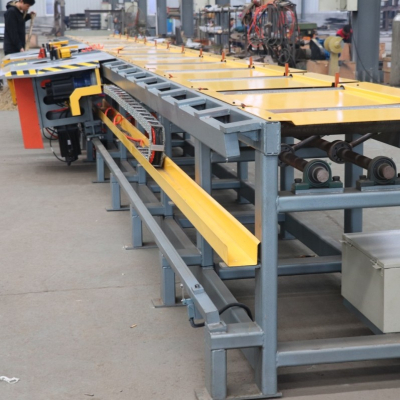
For workshops that need to combine bending with other processes, LuYuan Machinery offers a purpose-built rebar bending center designed for high-volume fabrication. It handles a wide bar diameter range, supports programmable multi-angle bending, and integrates feeding and discharge handling so a small crew can run continuous production for pile cages, bridge components and precast elements. Customers running repetitive stirrup and hook schedules typically see the biggest gains in angle consistency and labor cost per ton, and the technical team can recommend the configuration that matches a project's bar size distribution and daily tonnage.
Frequently Asked Questions
Q1: What bar diameters can a typical rebar bending machine handle?
Standard industrial machines cover roughly 6 mm to 40 mm or more, depending on the model. Always match the bending pin diameter to the bar size; using the correct pin table preserves the bar's surface and mechanical properties.
Q2: Does bending weaken the rebar?
Bending performed with the correct pin diameter and within standard angle limits does not significantly reduce the bar's strength. Problems arise when bends are made with undersized pins, at extreme angles, or when bars are re-bent after being straightened.
Q3: How fast can one machine bend bars?
A single bending station commonly completes a 90° bend on a mid-size bar in a few seconds. Actual output depends on bar length, handling time and whether feeding is manual or automated; CNC machines with conveyors reach several times the throughput of a manual bench.
Q4: Is a CNC bending machine worth the investment for a small workshop?
If daily volume is low and bar schedules change constantly, a manual bender may suffice. Once a shop produces over roughly 100 bends per day or supplies fixed schedules to one project, CNC angle control usually recovers its cost through labor savings and lower scrap.
Q5: Can the same machine bend stirrups and large straight bars?
Many machines handle both, but stirrup production in high volume is better served by a dedicated CNC stirrup bender, while a bending center is optimized for larger diameter bars and multi-angle shapes.
Summary
A rebar bending machine works by rotating a clamped bar around a fixed pin while guide rollers keep the bar supported, producing accurate, repeatable bends in seconds. Choosing between manual and CNC control comes down to volume and consistency requirements: small mixed work favors a manual unit, while project supply and fabrication plants benefit from programmable control. If you are planning a rebar processing setup and need help matching a machine to your bar size range and daily tonnage, contact LuYuan Machinery for detailed specifications, configuration recommendations and a project quotation — our engineers will propose the most suitable bending solution for your application.